Thursday, July 9, 2026

Polti USA: Bed Bug eGuide

Bed Bug Tool Kit: Control Methods to Combine in an IPM Bed Bug Protocol is a new, downloadable guide for pest management professionals (PMPs). It examines the strengths and limitations of all major bed bug control methods and, importantly, how each can be combined with superheated steam as part of an integrated pest management (IPM) approach. This comprehensive resource can be invaluable for companies looking to build more effective treatment programs.

About Polti

Founded in 1978, with North American headquarters based in Los Angeles, Calif., Polti was built on two pillars that characterize the company and its products to this day: quality and innovation. Over the decades. Polti has combined technological innovation with Italian-made quality and environmental compatibility to offer a clean and simple vision of the future. As a European leader in steam appliances, Polti’s patented products are available in more than 50 countries worldwide.

PoltiUSA.com

<p>The post Polti USA: Bed Bug eGuide first appeared on Pest Management Professional.</p>


from Pest Management Professional https://www.mypmp.net/polti-usa-bed-bug-eguide/
Sacramento CA

New insurance benefit for NPMA members

The National Pest Management Association (NPMA) has partnered with VIU by HUB — a personal insurance platform backed by HUB International — to offer pest management professionals and their communities a simple, modern way to shop for home, auto, condo, renters and other personal insurance coverages. Program Brokerage Corp. (PBC) served as the catalyst behind this new member benefit.

Through VIU by HUB, members can compare quotes from more than 50 A-rated insurance companies in minutes. The experience is fully digital for those who prefer self-service, or one-on-one with a licensed advisor for those who want personalized guidance.

This benefit is available to NPMA members, their employees, friends and family, vendor employees, partners and business associates.

About the National Pest Management Association

The National Pest Management Association is a non-profit organization with more than 4,000 members. It was established in 1933 to support the pest management industry’s commitment to the protection of public health, food and property from the diseases and dangers of pests. The association has had many notable leaders over the years, including Pest Management Professional Hall of Famers Bill Buettner (Class of 1998), Dr. Ralph Heal (Class of 2003), Dr. Phil Spear (Class of 2004) and Bob Rosenberg (Class of 2013), to name just a few.

<p>The post New insurance benefit for NPMA members first appeared on Pest Management Professional.</p>


from Pest Management Professional https://www.mypmp.net/new-insurance-benefit-for-npma-members/
Sacramento CA

Wednesday, July 8, 2026

Bite Back: An integrated approach to smarter mosquito control and disease prevention

Mosquitoes remain among the most significant and persistent pest groups worldwide, with more than 3,490 species identified. While many species are simply a nuisance, others serve as vectors of serious diseases such as malaria, dengue, Zika virus and West Nile virus.

In pest management, control efforts typically focus on a limited number of species that pose the greatest public health risks. Despite their diversity, mosquitoes share key biological and behavioral traits that can be leveraged for effective control. An effective mosquito management program should follow an integrated approach. Try using BITE as a mnemonic device:

B is for breeding site removal

El Damir
El Damir

Routine inspection and maintenance are essential for reducing mosquito populations. Key actions include:

  • Removing standing water from containers, tires and gutters
  • Draining or modifying areas prone to water accumulation
  • Treating unavoidable water sources with appropriate larvicides

I is for impacting populations

For adult mosquitoes, barrier treatments are a common strategy. Such applications target mosquito resting sites such as vegetation and structural
perimeters. Best practices include:

  • Targeting shaded resting areas and the undersides of foliage
  • Avoiding flowering or edible plants to protect pollinators
  • Following all directions per the product label
  • Maintaining proper equipment and application techniques
  • Considering environmental conditions and local ecosystems

Larvicides, meanwhile, are essential for preventing mosquito development. Selection depends on site conditions and species. Common categories include:

  • Biological larvicides such as Bacillus thuringiensis israelensis (BTI), Bacillus sphaericus and spinosad
  • Insect growth regulators (IGRs) such as methoprene
  • Larvicidal oils

T is for timing of applications

Apply treatments strategically based on mosquito activity and environmental conditions. Timing plays a critical role in control effectiveness.

  • Reapply barrier treatments every three to four weeks as needed
  • Begin treatments prior to peak mosquito season
  • Monitor environmental conditions to adjust timing accordingly

E is for exclusion

Preventing mosquito entry is a key component of control:

  • Seal cracks and gaps around structures
  • Install door sweeps
  • Maintain intact window screens
  • Use air curtains in high-traffic areas

Exclusion measures, when combined with other strategies, significantly reduce indoor mosquito activity. Effective mosquito management requires a comprehensive, integrated approach that targets all stages of the mosquito life cycle. By combining breeding-site reduction, targeted treatments, strategic timing and exclusion practices, pest management professionals can reduce mosquito populations and mitigate the risks of mosquito-borne diseases.

Mosquito biology basics

Both male and female mosquitoes feed on plant nectar for energy. However, only females require bloodmeals to support egg development.

Female mosquitoes locate hosts using a combination of well-documented cues, including:

  • Carbon dioxide (CO2)
  • Body odor
  • Heat
  • Moisture
  • Visual contrast

Understanding these cues supports more effective control strategies, including targeted trapping, habitat modification and environmental management.

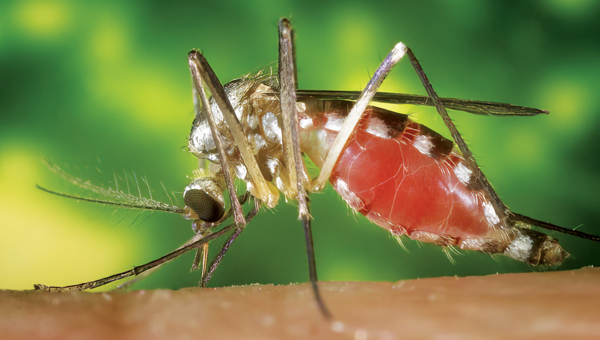
Eastern treehole mosquito (Aedes triseriatus) (PHOTO: JAMES D. GATHANY)

Mosquito larvae develop in a wide range of aquatic habitats, including natural sites such as tree holes and phytotelmata (accumulated water in plant cavities), as well as artificial containers like tires, clogged gutters and flooded areas. These environments provide organic material and microorganisms that serve as larval food sources.

In colder climates, mosquitoes survive unfavorable conditions through diapause or dormancy. For example:

Understanding these seasonal patterns improves the timing and effectiveness of control programs.

<p>The post Bite Back: An integrated approach to smarter mosquito control and disease prevention first appeared on Pest Management Professional.</p>


from Pest Management Professional https://www.mypmp.net/bite-back-an-integrated-approach-to-smarter-mosquito-control-and-disease-prevention/
Sacramento CA

LabelSDS.com: Commercial Customer Portal

LabelSDS.com continues to revolutionize the way that pest management professionals (PMPs) manage and distribute their product label and safety data sheet (SDS) books to technicians and their commercial customers.

Do you have commercial customers that require you furnish them with a Label/SDS Book of the products used at their facilities? LabelSDS.com has you covered! Easily create custom lists of the products that are used at their facilities. Your commercial customers can access this information by logging into their customized portal or through a QR code. The QR code provides unrestricted access to their labels and SDS in the event of a spill or inspection. Note that the U.S. Occupational Safety & Health Administration (OSHA) Hazard Communication Standard requires that all employees always have unrestricted access to these documents. 

Using a new product at their facility? Easily add new products with just a click of a button. No need to print out new labels or SDS or to update jump drives. As soon as you add the new product to the portal, it is viewable when logging in and through the QR code instantly.

The Commercial Customer Portal is perfect for property management groups, school districts, food-processing plants, restaurants and more.

About LabelSDS.com

LabelSDS.com is a web-based program with more than 20,000 product labels and safety data sheets (SDS) specific to the pest and turf industries. You can create your own company label and SDS “digital book” with the products your company uses. Easily add and delete products from your list. Don’t see the product you are looking for? With LabelSDS.com, you can submit a product request, and the team will add the product for you. All your employees can access, download, print, email and text your company’s labels and SDS from their computers, tablets or smartphones. Best of all, your company’s labels and SDS update automatically whenever there is a revision. LabelSDS.com is designed to be an easy and affordable way to access and manage your company’s labels and SDS.

LabelSDS.com

<p>The post LabelSDS.com: Commercial Customer Portal first appeared on Pest Management Professional.</p>


from Pest Management Professional https://www.mypmp.net/labelsds-com-label-and-sds-database/
Sacramento CA

Tuesday, July 7, 2026

Yates-Astro acquires A-1 Economic Exterminators 

Savannah, Ga.-based Yates-Astro Termite & Pest Control has acquired the Brunswick, Ga.-based operations of A-1 Economic Exterminators.

The acquisition officially closed on June 30, 2026. Customers previously served by the acquired A-1 Economic Exterminators business in Glynn, Brantley and McIntosh counties are now served through Yates-Astro’s Brunswick branch. The acquisition does not include the St. Marys, Ga.-based A-1 Economic Exterminators of Camden Inc., only the Brunswick-area business.

“We are honored to continue the legacy that A-1 Economic Exterminators has established over the past several decades,” said Rick Culbreth Jr., president of Yates-Astro Termite & Pest Control. “A-1 Economic Exterminators has been serving Brunswick families and businesses since 1977, and their reputation for dependable service, professionalism, and strong community relationships makes them an excellent fit for our organization. This acquisition expands our local presence while preserving the values that customers have come to expect. The transaction was made even more meaningful by the genuine respect and trust that exists between our company and the sellers, creating a smooth transition and a bright future for both our employees and customers.” 

About Yates-Astro Termite & Pest Control 

Yates-Astro Termite & Pest Control is a family-owned pest management company serving residential and commercial customers throughout Georgia and South Carolina. With a long-standing commitment to customer service, professionalism, and community involvement, Yates-Astro provides comprehensive pest, termite, mosquito, and wildlife management services across the region 

<p>The post Yates-Astro acquires A-1 Economic Exterminators  first appeared on Pest Management Professional.</p>


from Pest Management Professional https://www.mypmp.net/yates-astro-acquires-a-1-economic-exterminators/
Sacramento CA

JULY CALLBACK CURES: Turning rain into valuable service opportunities

A spike in temperature isn’t the only weather variable known to drive pest pressure during the summer months. Increased rainfall is another important factor.

Pest behavior is largely driven by three biological needs: food, shelter and water. Of these, water often is the hardest to control. This is especially true in the soggy summer months when rainfall increases and humidity climbs, turning homes that were dry all winter long into waterlogged structures on the brink of moisture intrusion in crawlspaces, overflowing gutters or leaky roofs that are guaranteed to attract pests.

Most insects have an uncanny ability to detect even the smallest amount of moisture, thanks to highly developed sensory organs on their antennae known as hygroreceptors. They use these hygroreceptors to detect microscopic changes in humidity and moisture, leading them to damp areas. To make matters worse, some pests don’t just find moisture; they manage it.

Searching for the telltale signs of moisture intrusion should be a deliberate part of every service call. Moisture-related conducive conditions can include efflorescence on basement walls, water stains on ceiling tiles or drywall, condensation on pipes, deteriorating wood near grade and clogged or overflowing gutters that direct water toward the foundation.

Once located, it’s equally important to properly document the issues for both your client and your own records. Avoid vague notes that don’t provide any useful information, like “moisture present.” Instead, the service record should describe the location, the likely source, any pest activity that was observed in proximity to the condition and recommendations to resolve the problem. Take photographs of problem areas, as company policy allows.

Providing a written list of recommendations, such as fixing a malfunctioning downspout, adding ventilation to the crawlspace or running a dehumidifier in the basement, can be another great way to give your clients actionable steps and reinforce the value of your expertise as a service professional.

<p>The post JULY CALLBACK CURES: Turning rain into valuable service opportunities first appeared on Pest Management Professional.</p>


from Pest Management Professional https://www.mypmp.net/july-callback-cures-turning-rain-into-valuable-service-opportunities/
Sacramento CA

Veseris: MagnaFly Treatment Station

The MagnaFly Treatment Station from VM Products delivers superior fly control performance, with innovative design features built to maximize treatment effectiveness and visibility in both commercial and residential settings.

At the top, a precision-engineered domed skylight disperses light evenly throughout the station, dramatically improving visibility and drawing flies in for optimal attraction and treatment delivery. Inside, the patent-pending Active Treatment Carpet creates a consistent treatment zone, so flies pick up bait as they move across the surface — delivering maximum control with every pass.

The locked station design keeps treatment secure and protected from tampering and weather, while the open, light-filled interior makes monitoring fast and easy on every service visit — no guesswork required.

Why pest management professionals (PMPs) are switching to MagnaFly

  • Even light distribution through domed skylight design
  • Patent-pending carpet technology for consistent treatment delivery
  • Locked station design ensures secure operation
  • Enhanced visibility for faster, easier monitoring
  • Durable construction built for daily service use
  • Easy maintenance and treatment application

Pair it with PT Alpine Pressurized Fly Bait or Maxforce Fly Spot Bait (application treatment sold separately) to build a complete fly control program for your accounts — from station to bait to results.

Available now at Veseris. Add the MagnaFly Treatment Station to your next order and see the difference visibility makes.

Veseris.com

<p>The post Veseris: MagnaFly Treatment Station first appeared on Pest Management Professional.</p>


from Pest Management Professional https://www.mypmp.net/veseris-magnafly-treatment-station/
Sacramento CA

Monday, July 6, 2026

Structural memory effect: How architecture retains pest history

Author’s Note: The concepts Structural Memory Effect (SME), Ghost Infestation Phenomenon (GIP) and Structural Memory Index (SMI) are proposed field frameworks intended to stimulate professional discussion and are not presented as established scientific classifications.

Every pest management professional (PMP) has faced a frustrating question from a client: “If you treated the problem last year, why are the pests back again?”

The usual explanations are familiar. Poor sanitation, product failure, reintroduction from neighboring properties or exclusion gaps are often blamed. While these factors may contribute, they do not always explain why certain buildings experience recurring infestations despite repeated interventions.

This article proposes a field-based concept called the Structural Memory Effect (SME).

The idea is simple: Although buildings do not possess memory in a biological sense, they can retain physical, environmental and structural conditions that continue to favor pest activity long after an infestation appears to have been eliminated.

In many cases, recurring pest pressure may not be the result of treatment failure. Instead, it may reflect a building’s ability to preserve the same ecological opportunities that originally supported infestation.

Looking beyond the pest

Traditional inspections focus primarily on finding active pest activity. Technicians search for droppings, harborages, feeding signs, nesting sites and entry points. While these indicators remain essential, they often focus attention on the pest rather than on the structural conditions that allowed the pest to establish itself.

Over time, every building develops its own ecological history. Moisture accumulates in hidden voids. Utility penetrations create protected movement corridors. Wall cavities become harborages. Organic residues collect in inaccessible locations. Renovations may improve the appearance of a property, yet these underlying conditions frequently remain untouched.

As a result, buildings can continue to support infestation cycles even when visible pest populations have been eliminated.

The ghost infestation phenomenon

This observation leads to another concept that I describe as the Ghost Infestation Phenomenon (GIP).

A GIP occurs when recurring pest activity appears to be a new infestation, but is actually being driven by historical structural conditions that were never fully corrected.

In these situations, technicians repeatedly treat the symptoms while the hidden drivers remain unchanged.

The infestation appears to disappear. Months later, it returns. The treatment is blamed. The cycle repeats.

What may actually be occurring is a structural problem disguised as a pest problem.

A field-based example

Consider a hypothetical, but realistic apartment complex experiencing chronic German cockroach complaints.

Over several years, multiple pest management providers implemented gel bait programs, residual insecticide applications, monitoring systems and sanitation recommendations. Each intervention produced temporary reductions in activity. Yet complaints continued to return.

A detailed structural assessment eventually revealed several overlooked factors:

  • Vertical plumbing shafts connected multiple apartments.
  • Historical water leaks had been repaired, but moisture-damaged materials remained hidden within wall voids.
  • Utility penetrations around pipes had never been fully sealed.
  • Inaccessible spaces behind cabinets contained years of accumulated organic residue.

The cockroaches were not simply re-entering the building. The structure itself had preserved an ecological legacy that continued to support infestation, because it was preserving the conditions necessary for infestation long after the original pest population had been reduced..

Once moisture management, exclusion work, ventilation improvements and void remediation were completed, infestation pressure declined significantly and remained under control.

Introducing the structural memory index

To encourage a more preventive approach, I propose a practical assessment framework called the Structural Memory Index (SMI).

The SMI evaluates a building’s potential to preserve pest-supporting conditions through four primary categories:

  1. Moisture legacy: Historical leaks, condensation zones, poor ventilation and damp structural materials.
  2. Pathway persistence: Pipe chases, utility penetrations, cable routes, expansion joints and structural void networks.
  3. Harborage retention: Wall voids, suspended ceilings, damaged materials, inaccessible cavities and hidden nesting opportunities.
  4. Resource residue: Organic debris accumulation, grease deposits, food contamination history and long-term sanitation deficiencies.

Buildings exhibiting high levels in these categories may possess a stronger structural memory, and therefore a greater risk of recurring pest pressure.

The future of pest inspections

As pest management continues to evolve, inspections may become less focused on identifying current infestations and more focused on predicting future infestations.

Moisture mapping technologies, thermal imaging, smart sensors and artificial intelligence (AI)-assisted building assessments may eventually help technicians identify structural memory before pest populations become established.

In this future model, PMPs will not simply remove pests. They will diagnose and eliminate the architectural conditions that allow infestations to repeatedly emerge.

Applying SME to your strategy

Recurring infestations are often viewed as failures of products, treatments or sanitation programs. While these factors remain important, they may not always explain why pests continue to return.

The structural memory effect offers an alternative perspective. Buildings can preserve moisture patterns, movement pathways, harbourages and ecological opportunities long after an infestation appears to have ended. Understanding these hidden structural legacies may help the industry move beyond reactive treatment and toward truly preventive pest management.

The next major advancement in pest control may not come from stronger chemistry. It may come from understanding what the building remembers.

<p>The post Structural memory effect: How architecture retains pest history first appeared on Pest Management Professional.</p>


from Pest Management Professional https://www.mypmp.net/structural-memory-effect-how-architecture-retains-pest-history/
Sacramento CA


Wednesday, July 1, 2026

Bell promotes Lynch to COO

Bell Laboratories promoted Patrick Lynch, ACE, to chief operating officer, effective July 1, 2026. In his new role, Lynch has manufacturing operations, research and development, and engineering as added responsibilities to his current oversight of the sales and marketing functions.

“Patrick has been a major contributor to Bell’s success for the past 20 years,” said Steve Levy, Bell Laboratories president and CEO, and a member of the Pest Management Professional (PMP) Hall of Fame (Class of 2022). “Throughout his tenure, he has demonstrated exceptional leadership, a deep commitment to our customers and employees, and a consistent ability to deliver results. As Bell continues to grow and evolve, Pat’s experience and leadership will play a critical role in helping us execute our strategic objectives and build on the strong foundation that has been established.”

A respected leader within the pest management industry, Lynch currently serves as president of the United Producers, Formulators and Distributors Association (UPFDA). A former member of the National Pest Management Association (NPMA) board of directors, he serves on the association’s Public Policy Committee, Workforce Development Steering Committee, and the P3 Strategic Planning Committee.

About Bell Laboratories

Based in Windsor, Wis., and founded in 1975 by Pest Management Professional Hall of Famer Malcolm Stack (Class of 2004), Bell Laboratories produces high-quality rodenticides and other rodent control products for the pest control and agricultural industries across six continents. Bell’s complete line of products — rodenticides, tamper-resistant bait stations, smart rodent monitoring devices, glue boards, mechanical traps and attractants — control rodents in any situation. These products are combined with technical expertise, manufacturing capabilities and superior service.

<p>The post Bell promotes Lynch to COO first appeared on Pest Management Professional.</p>


from Pest Management Professional https://www.mypmp.net/bell-promotes-lynch-to-coo/
Sacramento CA

Massey Services opens new commercial service center

Orlando, Fla.-based Massey Services opened a new service center in Winter Haven, Fla., providing commercial pest prevention services to businesses in and around this rapidly growing area. The new service center will be Massey’s fifth commercial office in West Florida and the 11th commercial service center in Florida.

The new Winter Haven service center will provide comprehensive, customized pest prevention to every business sector including hotels, restaurants, hospitals, commercial buildings and multi-family communities.

“The Winter Haven and Lakeland areas have seen significant population growth over the last several years, which has resulted in many new businesses opening in this market,” said Tony Massey, president and CEO of Massey Services in a news release. “Our new Winter Haven Commercial service center enhances our ability to better serve our commercial customers by providing a stronger presence and faster response times, which reinforces our commitment to total customer satisfaction.”

About Massey Services

Based in Orlando, Fla., Massey Services is one of the nation’s largest and most respected service companies in the pest management industry. Celebrating 41 consecutive years of profitable growth, Massey Services and its subsidiary organizations employ nearly 3,000 team members who provide residential and commercial pest prevention, termite protection, landscape and irrigation services for more than 1 million customers

<p>The post Massey Services opens new commercial service center first appeared on Pest Management Professional.</p>


from Pest Management Professional https://www.mypmp.net/massey-services-opens-new-commercial-service-center/
Sacramento CA

Tuesday, June 30, 2026

PestCo acquires Arrow Pest Control

Morganville, N.J.-based Arrow Pest Control has been a trusted name in New Jersey pest control for over 50 years, serving both residential and commercial customers throughout the state. The addition of Arrow strengthens PestCo’s capabilities in the New Jersey market. Terms of the transaction were not disclosed.

Stewart Lenner, owner of Arrow Pest Control, said in a news release, “Our people have always been the heart of Arrow, and protecting their future was one of the most important factors in this decision. After careful consideration, I truly believe partnering with PestCo is in the best long-term interest of the entire Arrow family – both our dedicated team members and the thousands of clients who have placed their trust in us. From our very first conversations, the PestCo team demonstrated professionalism, integrity, and a genuine respect for the culture and values that have made Arrow successful.”

“We’re excited to accelerate PestCo’s growth in New Jersey while building upon Arrow’s long history of quality pest control service. We look forward to earning the continued loyalty of Arrow’s customers and creating opportunities for our new team members,” said Jay Keating, CEO of PestCo in a news release.

“Thompson Street is excited to back PestCo’s acquisition of Arrow Pest Control, a trusted name in New Jersey pest control built over more than 50 years. Arrow’s reputation for quality service and customer loyalty make it an ideal addition to the PestCo platform,” added Dan Cooper, managing director at TSCP.

About Thompson Street Capital Partners

Thompson Street Capital Partners is a middle-market private equity firm that helps transform already exceptional businesses into market leaders. Based in St. Louis, Missouri, TSCP invests globally in the life sciences and healthcare, software and technology, business and consumer services and products sectors. TSCP partners with management teams to increase value by accelerating growth, both organically and via complementary acquisitions.

<p>The post PestCo acquires Arrow Pest Control first appeared on Pest Management Professional.</p>


from Pest Management Professional https://www.mypmp.net/pestco-acquires-arrow-pest-control/
Sacramento CA

NameDatBug: Pest Identification App Update

NameDatBug’s new artificial intelligence (AI)-powered pest identification and management platform is purpose-built for pest management professionals (PMPs). Available now at app.namedatbug.com/app, the app turns a single photo — or naming a target pest — into a confident species identification, a documented confidence score, and an actionable treatment protocol in seconds.

The platform is anchored by a simple promise: Know What You’re Dealing With — Guaranteed. If the pest exists in nature and the photo is clear enough for the human eye to recognize it, NameDatBug will identify it — period.

In-App field notes and emailed reports

The latest release lets technicians document notes directly on each tagged identification in the field, then email themselves a complete, detailed report — capturing the species, confidence score, risk assessment and treatment recommendations for the job file, the customer record or follow-up service. It closes the loop from inspection to documentation without ever leaving the app. The app delivers:

  • AI-Powered Photo & Description Identification. Snap a photo or type the target pest, and the AI returns a confident identification backed by a documented confidence score, so users always know how certain the answer is.
  • Pest Risk Assessment. Instantly understand the threat level of any pest with health, property and nuisance ratings. PMPs can prioritize their response and communicate risk clearly to anyone who needs to know.
  • Integrated Pest Management (IPM) Protocols for 700+ Species. Access includes targeted treatment recommendations, U.S. Environmental Protection Agency (EPA)-registered product labels, and Safety Data Sheets (SDS) — everything needed to act with authority.
  • Species Intelligence. Dive deep into any pest’s life cycle, habitat, morphological diagnostic features and behavioral patterns. This foundational knowledge separates a confident professional from a guess.
  • Biocontrol-First for Garden and Agricultural Pests. For garden and agricultural applications, NameDatBug leads with biocontrol recommendations — environmentally responsible solutions that protect crops, soil health and beneficial species before reaching for the chemical shelf.

Built by industry professionals

NameDatBug was founded by Adam Holt, BCE, and Rob Fryer, who built the platform to give technicians the confidence of an expert in their pocket.

“Every accurate ID starts with knowing exactly what you’re looking at,” Holt says in a news release. “We built NameDatBug so a technician in the field can identify a pest, document it and walk away with a protocol they can stand behind — backed by a confidence score, not a hunch.”

Fryer agrees, adding, “Our goal was to put real entomological depth and IPM rigor into a tool that’s fast enough to use on the job. The new notes and emailed reports mean the documentation is done before you’re back in the truck.”

Learn more about the founders: Adam Holt  |  Rob Fryer

White-label available for PMPs

NameDatBug is now offering white-label licensing of the platform to PMPs. Companies can deliver NameDatBug’s identification engine and risk assessments paired with their own company-specific IPM protocols — all under their own brand. To request a demo or for more questions, click here.

About NameDatBug

NameDatBug is an AI-powered pest identification and management platform that lets users snap a photo of any insect and get an instant identification, a documented confidence score, a pest risk assessment, and treatment protocols — with biocontrol-first recommendations for garden and agricultural pests and expert verification when it’s needed.

app.namedatbug.com/app

<p>The post NameDatBug: Pest Identification App Update first appeared on Pest Management Professional.</p>


from Pest Management Professional https://www.mypmp.net/namedatbug-pest-identification-app-update/
Sacramento CA

World Cup hosts facing high mosquito and bed bug activity

Seven host cities including New York, Philadelphia, Atlanta, Dallas, Los Angeles, Boston and Houston rank in the top ten for activity for mosquitoes, bed bugs or both. The data is drawn from two Terminix annual reports released this spring, both based on 2025 service data from more than 300 Rentokil-owned Terminix branches nationwide.

Host cities ranking among the top 10 for both pests

CityMosquitoBed BugTournament Role
New York/New Jersey#1#3Final host
Philadelphia#4#1Host city
Atlanta#5#7Semifinal host

Also on the Map: Host Cities Ranking in the Top 10 for One Pest

CityMosquitoBed BugTournament Role
Dallas-Fort Worth#2#11
Semifinal host
Los Angeles#3#24Host city
Boston#8#16Quarterfinal host
Houston#10#18Host city

Mosquitoes and outdoor events

The city hosting this summer’s final match has also claimed a title no one wants: America’s most mosquito-infested city, a Terminix first for New York. Extreme summer heat and rainfall have created a perfect storm for pest activity, hitting peak levels right as travelers from around the world descend on the metro area for the summer’s biggest outdoor events, and New York isn’t the only host city feeling it.

“These aren’t random cities, they’re dense, high-traffic urban environments where warm temperatures and increased rainfall extend mosquito season well into the summer months,” said Dr. Sydney Crawley, principal vector scientist at Terminix, in a news release. “With millions of fans gathering outdoors this summer, travelers need to be thinking about protection before they arrive, not after they’ve been bitten.”

Stop bed bugs from hitching a ride

As most PMPs know, bed bugs are some of the most common hitchhikers that travelers will encounter during the 2026 World Cup, beach vacations or any travel this summer. Host city Philadelphia ranked first for bed bug activity for the second year in a row while other non-host cities made a valiant effort with Cincinnati jumping from 14 up to second, and Detroit moving to fourth.

“Bed bug demand has consistently increased over the past several years,” added Eric Braun, technical service manager at Terminix. “What this summer adds is scale. The volume of international travelers moving through a concentrated set of cities over a short window is likely unlike anything we’ve seen in recent years.”

What to tell customers before they travel

  • Apply an EPA-registered repellent containing DEET, picaridin or oil of lemon eucalyptus before heading to outdoor events or fan zones.
  • Wear long sleeves and pants during peak mosquito hours, especially in high-humidity cities.
  • Avoid standing water near your accommodations, including planters, gutters and pool areas, where mosquitoes breed.

Quick checklist for travelling customers

  • Inspect mattress seams, headboard and upholstered furniture for rust-colored or black stains, shed skin or live bugs before placing luggage on any surface.
  • Store luggage on a hard surface: Bed bugs can be found on fabric-covered racks, so store luggage on the bathroom tile floor or other hard surfaces like a desk.
  • Returning home: Run all clothing through a dryer on high heat for at least 30 minutes.

About Rentokil Terminix

Rentokil Terminix is the leading provider of residential and commercial services in North America. The company provides health, hygiene and environment services and pest management services, including protection against termites, mosquitoes, rodents and other pests. The company is part of Rentokil Initial plc (NYSE: RTO), one of the largest business services companies in the world.

<p>The post World Cup hosts facing high mosquito and bed bug activity first appeared on Pest Management Professional.</p>


from Pest Management Professional https://www.mypmp.net/world-cup-hosts-facing-high-mosquito-and-bed-bug-activity/
Sacramento CA

Monday, June 29, 2026

Clear Pest Pros opens Texas franchise location

Ann Arbor, Mich.-based Clear Pest Pros, opened a new franchise location in Austin, Texas. The company is part of the BELFOR Franchise Group family of brands.

The franchise location is opening later this month, and will be owned and operated by Greg Harrington. Greg holds a PhD in Engineering Physics and over 25 years of medical imaging technology experience. With a background rooted in problem‑solving and hands-on leadership, Greg was drawn to Clear Pest Pros as a company that values innovation, problem solving and efficiency. In his free time, Greg is an active member of his local community and enjoys traveling with his wife and two children.

“When I first started looking into potential business opportunities, Clear Pest Pros immediately stood out due to their modern, forward‑thinking approach to pest control,” said Greg Harrington, owner of Clear Pest Pros of Greater Austin, in a news release. “I saw this business approach as an opportunity to do more than solve pest problems; it will allow my team to become a trusted resource, build relationships and contribute to the well-being of the community we call home. As my team begins servicing Round Rock, Cedar Park, Austin, Pflugerville, Austin Hill Country and the surrounding areas, we look forward to creating something meaningful, dependable and community‑focused.”

James Myers, president of Clear Pest Pros, noted in the company release, “As a pest control company, Clear Pest Pros stands out from the competition because of our straightforward focus on eradicating pest problems at their source and helping customers keep pests out after treatment. The Clear Pest Pros team can’t wait to see all the great work Greg and his team will accomplish within their community.”

About Clear Pest Pros

Founded in 2024, Clear Pest Pros is a full-service pest control company that is dedicated to offering a clear, straightforward approach to pest control. Clear Pest Pros provides general pest control services and treats ants, termites, racoons, mosquitoes, ticks and more.

About BELFOR Franchise Group

BELFOR Franchise Group is the parent organization of 15 service-based franchises for home and commercial cleaning and restoration. The group offers training, turnkey business models and ongoing coaching and business development.

<p>The post Clear Pest Pros opens Texas franchise location first appeared on Pest Management Professional.</p>


from Pest Management Professional https://www.mypmp.net/clear-pest-pros-opens-texas-franchise-location/
Sacramento CA

Bed bug gene offers clue to resistance in other pests

A study published in the ESA’s May 2025 issue of the Journal of Medical Entomology by researchers at Virginia Polytechnic Institute and State University (Virginia Tech) has identified a gene mutation in bed bugs associated with potential insecticide resistance. A Virginia Tech news article reports the research was initiated as a molecular skill-building exercise for graduate student Camille Block.

It involved analyzing deoxyribonucleic acid (DNA) from 134 unique bed bug populations collected by North American pest control companies between 2008 and 2022. Screening these samples revealed the presence of a specific gene mutation in two distinct populations.

Notably, this mutation is the same one known to create resistance to certain insecticides in certain populations of German cockroaches (Blattella germanica) and whiteflies (Aleyrodidae). Further investigation confirmed all individuals within these two bed bug populations possessed the mutation.

The team was led by urban entomologist Dr. Warren Booth, the university’s Joseph R. and Mary W. Wilson Endowed Urban Entomology Associate Professor. He explains the resistance mechanism in German cockroaches is linked to a nervous system gene (Rdl) known to confer resistance to dieldrin, an insecticide with the same mode of action as fipronil. While dieldrin has been off the market since the 1990s, fipronil currently is used with great success in consumer flea and tick treatments for pets and in the professional pest control industry for several general household pests. It is important to note that fipronil is not labeled for bed bugs.

Since that study was published, Dr. Booth teamed with Drs. Jin-Jia Yu and Changlu Wang from Rutgers University to sequence 227 populations of C. lectularius, primarily collected over a 15-year period (2010–2024) from New York, New Jersey and Indiana, to investigate the distribution of and any discernible general insecticide resistance patterns in three gene mutations in bed bugs. That study was published in the March 2026 issue of the Journal of Pest Science.

With this study, the team concluded that, based on the low income, multifamily housing from which the majority of the collected specimens originated, the more varied treatment was with active ingredients and different techniques at a given apartment building, the fewer instances of the insecticide resistant gene were found.

For more on the study, visit: Booth-lab.org

Bed bug treatment devolops

Experiencing bed bugs in a Paris hotel while attending the 2024 Summer Olympic Games with her family spurred Sophie Keane to create the “Bed Bug Bait Box.”

The glue trap uses an electrical circuit and heated brass rods to mimic a human heartbeat and temperature to lure bed bugs away from their harborage. It turns on with the flick of a switch, and her hope is to commercialize it for airplanes, trains and hotels to stop the bugs’ spread. Keane has won three national prizes and counting in her native Ireland for the device. At press time, a patent was pending for the technology.

One more fun fact: Keane is 17 years old.

Watch Keane’s presentation of the trap here: instagram.com/reels/DWZXW0hDwAg/

<p>The post Bed bug gene offers clue to resistance in other pests first appeared on Pest Management Professional.</p>


from Pest Management Professional https://www.mypmp.net/july-cover-bed-bug-gene-offers-clue-to-resistance-in-other-pests/
Sacramento CA

PCOB & M&A Specialists release May 2026 Pest Index

The William Blair/PCO Bookkeepers & M&A Specialists total U.S. Pest Index increased 6 percent year-over-year in May 2026, below the long-term average index growth rate of 10 percent.

“On a workday-adjusted basis, we estimate the index grew about 8% year-over-year,” said William Blair Equity Researcher Tim Mulrooney, in a news release, noting there was one less working day in May 2026. “A reading below 10 is a sign of softness for the month.”

Dan Gordon, managing member of PCO Bookkeepers & M&A Specialists, added, “While the May results are disappointing, it’s too early to conclude that broader economic conditions are driving the slowdown. Before drawing that conclusion, we’d like to see how the index performs over the next few months. The overwhelming feedback we’re hearing from clients is that weather conditions so far this year have not been conducive to the level of growth we’ve experienced in recent years. The fact is weather remains the single biggest driver of both new sales and customer attrition in the pest control industry.”

The month’s results by segment include:

· The Residential Pest Index increased 7 percent year-over-year.

· The Commercial Pest Index increased 6 percent year-over-year.

· The Termite Index increased 3 percent year-over-year.

· The Bed Bug Index decreased 13 percent year-over-year.

· The Mosquito Index decreased 3 percent year-over-year.

About the William Blair/PCO Bookkeepers & M&A Specialists Pest Index

The William Blair/PCO Bookkeepers & M&A Specialists Pest Index tracks the monthly performance of 146 privately held pest control companies across 38 states with combined annual 2025 revenue of $583 million. The purpose of the report is to track the monthly performance of several U.S. pest markets. It does not include residential door-to-door companies.

<p>The post PCOB & M&A Specialists release May 2026 Pest Index first appeared on Pest Management Professional.</p>


from Pest Management Professional https://www.mypmp.net/pcob-ma-specialists-release-may-2026-pest-index/
Sacramento CA

Syngenta: Advion MicroFlow insect bait

A small application makes a big impact with Advion MicroFlow insect bait from Syngenta. This dry flowable bait contains varying particle sizes that easily adhere to pests like ants and cockroaches, who share it via grooming for more thorough control deep within voids and harborage areas.

Powered by the MetaActive effect, Advion MicroFlow activates within target pests while leaving nontarget organisms largely unaffected. Additionally, the 8-ounce jar includes a built-in measuring scoop and is compatible with many common application devices, helping streamline applications and improve precision in hard-to-reach areas.

As a part of the SecureChoice Cockroach Assurance Program, Advion MicroFlow is recommended as a complementary tool alongside gel baits and sprayables for proven cockroach control. When following this research-backed program, cockroach infestations will be reduced by at least 90 percent during the first four visits over a 60-day period. Visit SyngentaPMP.com/Cockroach for more information.

About Syngenta PPM

Syngenta Professional Solutions is focused on developing tomorrow’s technologies and practices that empower customers today to protect and enhance the places where people live, work and play. Its scientific discoveries deliver better benefits for customers and society on a bigger scale than ever before. The company holds a presence in over 100 countries with multiple headquarters across the globe for its branches.

SyngentaPMP.com/AdvionMicroFlow

<p>The post Syngenta: Advion MicroFlow insect bait first appeared on Pest Management Professional.</p>


from Pest Management Professional https://www.mypmp.net/syngenta-advion-microflow-insect-bait/
Sacramento CA

Friday, June 26, 2026

AMGUARD: NUVAN PROSTRIPS AND PROSTRIPS+

Get proven, long-lasting protection from bed bugs, spiders, flies and other insects with NUVAN PROSTRIPS and NUVAN PROSTRIPS+. From trusted pest control provider AMGUARD Environmental Technologies, NUVAN PROSTRIPS offer continuous vapor action in difficult-to-reach places like attics, garages, pantries, closets, sheds and more with minimal odor and no mess.

Effective against difficult-to-control pests, NUVAN PROSTRIPS include a convenient plastic cage to protect enclosed areas for up to four months with a single application. Choose from two sizes of strips — with 16-gram NUVAN PROSTRIPS or 65-gram NUVAN PROSTRIPS+ based on your treatment area — and defend your customers’ space for just pennies a day. Get lasting control for continuous pest protection with NUVAN PROSTRIPS and NUVAN PROSTRIPS+.

About AMGUARD Environmental Technologies

AMGUARD Environmental Technologies is an emerging provider of non-crop and specialty technology solutions. Driven by the mission to provide customers with powerful solutions to keep their businesses strong and growing, AMGUARD discovers, develops and commercializes a diverse portfolio of proven chemistries, innovative technologies and green solutions into diverse markets.

AMGUARD.tech

<p>The post AMGUARD: NUVAN PROSTRIPS AND PROSTRIPS+ first appeared on Pest Management Professional.</p>


from Pest Management Professional https://www.mypmp.net/amguard-nuvan-prostrips/
Sacramento CA

Thursday, June 25, 2026

Protected: How to beat the heat and show employee appreciation


<p>The post Protected: How to beat the heat and show employee appreciation first appeared on Pest Management Professional.</p>


from Pest Management Professional https://www.mypmp.net/how-to-beat-the-heat-and-win-the-summer/
Sacramento CA

Rentokil Terminix enhances customer experience

Rentokil Terminix launched a series of digital and automated technology updates across its customer-facing brands, including online booking enhancements, digital monitoring systems and automated pest management tools. Additional updates are planned later this year.

According to the company, the rollout is part of its ongoing efforts to expand technology-driven pest management services and reduce reliance on traditional chemical treatments where appropriate.

“We continuously evaluate and update our technology infrastructure to support our core mission of protecting homes and businesses effectively and sustainably,” said Oz Siddique, innovation and product development director for Rentokil Terminix, in a news release. “These recent enhancements across our brand portfolio are designed to simplify standard customer touchpoints and optimize pest management outcomes. By integrating data-driven monitoring and automated tools into our localized service lines, we are better equipped to meet the evolving expectations of the communities we serve.”

The updates include:

Google Booking Integration (Terminix): Terminix has added a scheduling feature through Google Search and Google Maps that allows customers to book services directly from local business listings.

Digital Rodent Monitoring (Rentokil): Rentokil has expanded capabilities within its PestConnect commercial pest management platform. The system uses wireless sensors to monitor rodent activity and provide real-time data. The company said the technology can help businesses reduce rodenticide use while improving response times.

Automated Mosquito Control (Ehrlich): Ehrlich Pest Control recently completed an installation of its automated Mosquito Repellent System, powered by Thermacell®, at a senior living community in Florida. The company said the project will help inform future deployments of the technology.

The company said the updates are intended to support technology-based pest management programs across its brands.

About Rentokil Terminix

Rentokil Terminix was formed in 2022 after the UK-based pest control company Rentokil Initial acquired the U.S.-based company Terminix Global Holdings Inc. The acquisition created what is considered to be the world’s largest pest control company, operating under the Rentokil Terminix name, with a combined customer base of approximately 4.9 million and 57,700 employees globally. 

<p>The post Rentokil Terminix enhances customer experience first appeared on Pest Management Professional.</p>


from Pest Management Professional https://www.mypmp.net/rentokil-terminix-enhances-customer-experience/
Sacramento CA

Liphatech: TakeDown II

For effective control, even in anticoagulant-resistant rodent populations, pest management professionals (PMPs) can turn to TakeDown II, an acute soft bait rodenticide from the experts at Liphatech.

TakeDown II can provide faster results than anticoagulant rodenticides. A lethal dose may be consumed in one night’s feeding, though it may take two or more days for the first dead rodents to appear. Bromethalin – TakeDown II’s active ingredient – is effective in fighting anticoagulant-resistant populations, especially those in commercial settings.

TakeDown II soft bait is available in 8-gram pouches that can be purchased in 4-pound bags or cases of four 4-pound bags. Along with the soft bait option, PMPs can also purchase TakeDown II in a 14-gram mini block, also available in 4-pound bags or cases of four 4-pound bags.

In addition to TakeDown II, The Soft Bait Innovators at Liphatech offer PMPs a variety of soft bait rodenticides. Each Liphatech soft bait product is labeled for control of Norway rats, roof rats, house mice and other rodent species, with a palatable formulation that maintains its integrity in hot environments.

As with all of Liphatech’s intelligent pest management solutions, TakeDown II is supported by an expert team of technical support specialists. These experienced people provide guidance and qualified recommendations to ensure PMPs are equipped with the tools they need to face their toughest pest challenges. 

About Liphatech

Liphatech has a long history of advancing the science of rodent control through research and product innovation. It is considered to be the developer of three of the industry’s active ingredients: chlorophacinone, bromadiolone and difethialone. The company was founded in France in 1946 io develop anticoagulants for the treatment of heart patients. It developed chlorophacinone in the 1960s and branded it as Rozol, a family of products that includes grain and pelleted products for field and structural use, and a tracking powder for use in and around structures. In the 1970s, Liphatech developed bromadiolone, its original second-generation rodenticide active ingredient.

The innovations continued with the opening of its U.S. facility in 1987. Research there and in Europe resulted in the discovery of difethialone during the late 1980s, with U.S. Environmental Protection Agency registration as an active ingredient in 1995.

The company combines the most advanced technology available with world-class customer service, technical expertise and support to deliver intelligent solutions that allow pest management professionals quickly and cost-effectively generate results for both commercial and residential customers. Liphatech advocates for responsible rodent management practices that protect people, wildlife and the environment. The company is a member of the National Pest Management Association (NPMA)RISE (Responsible Industry for a Sound Environment), the Rodenticide Task Force and the Ag Container Recycling Council (ACRC).

Liphatech.com/TakeDown

<p>The post Liphatech: TakeDown II first appeared on Pest Management Professional.</p>


from Pest Management Professional https://www.mypmp.net/liphatech-takedown-soft-bait-2/
Sacramento CA

Wednesday, June 24, 2026

University of Florida hosts annual Bug Camp

Through its annual Bug Week celebration and the UF Department of Entomology and Nematology Field Camp, known as “Bug Camp,” the university in partnership with 4-H introduces young students to the science of insects in a hands-on, immersive setting.

Bringing people together

For two UF/IFAS students, Bug Camp did more than spark curiosity. It helped shape their lifelong friendship and academic and career paths.

Alex Switt and Christian Compton first met as fourth graders at Bug Camp. Now sophomores and roommates at UF, both are majoring in entomology, a decision they credit to their years attending the camp.

“I’ve been into bugs my whole life,” said Compton in a news release. “But before Bug Camp, I was just kind of in the dirt a lot, out in the woods and generally interested in bugs.”

Compton now serves as a senior Bug Camp counselor, mentoring students much like he once was. “After the first year I went to Bug Camp, it was consistent. I genuinely loved it and I was waiting to be able to actually do entomology.”

Switt’s mom is a science teacher, and summer learning experiences were always on the agenda. “She didn’t expect me to really take to it,” Switt said. “But now she has to deal with me bringing bugs into her house.”

At camp, Switt said his interest quickly evolved into more technical skills. “I was specifically into catching bugs to collect different species and (at Bug Camp) we went directly into taxidermy and pinning insects,” said Switt.

Building hands-on experience

The UF/IFAS program combines fieldwork, lab experience and interaction with faculty, graduate students and professionals.

Participants collect specimens, learn preservation techniques and explore how insect science connects to agriculture, ecosystems and human health.

Rebecca Baldwin, associate professor for the Department of Entomology and Nematology, and Director of the department’s Education and Outreach program noted she designed the program to purposefully expose youth and student leaders to the breadth of the discipline.

“The campers get to experience our department, our classrooms, our labs, our campus field sites, and interact with university students,” Baldwin said, in a university news release. “We also travel to the Santa Fe River to collect aquatic insects, host a family night insect collecting trip, and visit amazing resources such as the UF Honey Bee Research and Extension Lab’s Apiary.”

“The camp is already in its 16th year,” said Baldwin. “Each year we explore a different theme and focus. The 2026 camp will focus on rearing insects for research and as pets by comparing and inspecting store bought ant habitats. Campers will collect and curate insects using a variety of collection techniques.”

While designed to be accessible and fun, the program offers a firsthand look at academic and career pathways through interactions with UF undergraduate or graduate student role models.

Both students said the program also opened doors to research and volunteer opportunities, including internships and work with the Florida Museum of Natural History.

“Alex and Christian are both just going into their second year as university students and are already encouraging and impacting the next generation of entomologists attending Bug Camp,” added Baldwin.

About University of Florida Institute of Food and Agricultural Sciences

The mission of the University of Florida Institute of Food and Agricultural Sciences (UF/IFAS) is to develop knowledge relevant to agricultural, human and natural resources and to make that knowledge available to sustain and enhance the quality of human life.

<p>The post University of Florida hosts annual Bug Camp first appeared on Pest Management Professional.</p>


from Pest Management Professional https://www.mypmp.net/university-of-florida-hosts-annual-bug-camp/
Sacramento CA

Customer assignment agreements in the post-non-compete era

In April, the U.S. Federal Trade Commission (FTC) issued a sweeping rule banning nearly all non-compete agreements. It applies to the vast majority of American workers — including those in pest management — and requires employers to notify existing employees that prior agreements are no longer enforceable. The FTC’s rationale is that non-compete agreements suppress wages, stifle innovation and limit worker mobility.

The concern is familiar: A technician spends years building customer relationships, then either walks out the door to a competitor or starts their own operation. Non-compete agreements were the go-to protection. Now they’re gone. But in reality, they were never as powerful as owners hoped. Enforcement meant attorneys, court costs and months of litigation. And even when you won, the employee rarely had assets to collect. You got a judgment on paper and a bill for legal fees in real life.

A different kind of defense

Some operators abandoned non-compete agreements long ago in favor of customer assignment agreements, and they’re better positioned for this moment as a result. The concept is straightforward: Rather than restricting where an employee can work, you attach a dollar value to any customers they take with them.

For example, if your departing employee, Tom, services any of your customers within a defined period, he must purchase those accounts at five times the annual service value. If Tom walks away with $20,000 in recurring revenue, he owes you $100,000. That’s a real deterrent, but it doesn’t bar Tom from his livelihood — which is exactly why courts are more willing to uphold it. Plus, if it ends up in litigation, the damages already are written into the contract.

Other protection options

The FTC rule doesn’t touch non-solicitation agreements (NSAs) or non-disclosure agreements (NDAs), and both remain valuable. An NSA prevents a former employee from poaching your customers or staff. An NDA protects proprietary information such as pricing, customer data and treatment protocols. Neither restricts employment, which makes both far more defensible in court than a non-compete agreement ever was.

The era of using legal restrictions to hold onto employees is over. The operators who thrive are those building companies at which people actually want to stay. That was always the better play. Now it’s the only one.

Return to our non-compete strategy page

<p>The post Customer assignment agreements in the post-non-compete era first appeared on Pest Management Professional.</p>


from Pest Management Professional https://www.mypmp.net/customer-assignment-agreements-in-the-post-non-compete-era/
Sacramento CA

Why non-solicitation agreements are better than non-competes

There are many reasons why traditional non-compete agreements have been commonly used, and many reasons why the U.S. Federal Trade Commission (FTC) is not wrong in taking steps to stop their use.

I’ve owned my business for over 38 years. I do everything I can to protect my business and our client list, and I do not agree that former employees should use their relationship with our customers as a starting place when deciding to go out on their own.

On the other hand, I went out on my own to start my pest control business, and I understand how difficult that is. I also see the allure of “letting your old customers find you” and making the switch from the old company to yours.

Losing ground

The FTC’s new stance is to make sure professional pest control firms, in particular, do not have language that includes “unfair or anticompetitive non-competition agreements.” In other words, do not have your employees sign agreements restricting them from opening their own pest control business in direct competition with you. If they go into business in your market as a competitor, you are no longer able to stop or restrict them from doing so. In actuality, though, I think many pest control firms have not been able to enforce a non-compete agreement anyway.

What is more of a problem, really, is keeping a former employee from getting a job with another pest control company in your area and then contacting your customers and getting them to switch over to their new company. This also can lead to companies “poaching” your employees in hopes of using their contacts to steal your customers — all while instructing the customers to leave you for reasons other than because they were following your ex-employee.

Fight back, but fight fair

How can you protect your company from poaching? Simple: Drop the non-compete agreements and have everyone sign a “non-solicitation/confidentiality” agreement. This contract will allow you to protect your customer base far better than a non-compete agreement ever would.

Every business has the right to have and protect proprietary information. These are trade secrets and practices like treatment protocols (if they are something only you have figured out), business practices and — wait for it — client lists.

You may be losing the ability to stop someone from going into business that is in direct competition with you, but if all your employees sign a non-solicitation and confidentiality agreement, you will be able to keep them from using your trade secrets, which also includes the names, addresses and phone numbers of your clients.

This contract may not be as forceful as the old non-compete agreements, but it will give you the ability to keep former employees from soliciting your clients and from using any trade secrets you have established. As an aside, the trade secrets portion is difficult to prove that what you do and how you do it is really a secret. If you formulated your own materials or techniques in controlling pests, wouldn’t you protect that with a patent?

You can protect your business and continue to grow in this industry without resorting to stealing customers. After all, our biggest competitor is still the do-it-yourselfer.

Return to our non-compete strategy page:

<p>The post Why non-solicitation agreements are better than non-competes first appeared on Pest Management Professional.</p>


from Pest Management Professional https://www.mypmp.net/why-non-solicitation-agreements-are-better-than-non-competes/
Sacramento CA

BASF: Prelontra and Selontra

Effective rodent management requires a strategic approach grounded in real activity, account sensitivity and long-term prevention. BASF’s switch approach is two-fold: Prelontra Rodent Monitoring Soft Block helps determine when to monitor, when to activate control and how to help reduce the risk of future infestations. When used alongside Selontra Rodent Bait, Prelontra supports a flexible, informed framework for managing rodent pressure across a range of account types.

The direct Selontra switch is best suited for accounts where rodent activity is already confirmed, and rapid population reduction is the priority. Selontra features a non-anticoagulant mode of action that helps combat resistant rodents and stops feeding after a lethal dose. Its active ingredient, cholecalciferol, also helps reduce the risk of secondary toxicity to non-target animals, which is an increasingly important consideration as regulatory attention continues to grow. For best results, success should be measured by activity reduction, not bait consumption alone.

Prelontra offers a more measured path for sensitive environments, rodenticide-restricted accounts, or situations where neophobia may slow bait acceptance. As a non-toxic monitoring soft block, it verifies feeding, identifies pressure zones and helps build feeding confidence before Selontra is introduced. After control is achieved, rotating back to Prelontra supports continuous monitoring and prevention. Together, Prelontra and Selontra give professionals a practical switch strategy for smarter, more sustainable rodent management.

About BASF

BASF Corp., headquartered in Florham Park, N.J., is the North American affiliate of BASF SE, Ludwigshafen, Germany. BASF has approximately 16,000 employees in North America and had sales of $25.7 billion in 2022.

BASF creates chemistry for a sustainable future by combining economic success with environmental protection and social responsibility. More than 110,000 employees in the BASF Group contribute to the success of its customers in nearly all sectors and almost every country in the world. BASF’s portfolio is organized into six segments: Chemicals, Materials, Industrial Solutions, Surface Technologies, Nutrition & Care and Agricultural Solutions.

In addition to Prelontra Monitoring Soft Block and Selontra Rodent Bait, BASF offers many pest control solutions to professionals, including, but not limited to:

PestControl.BASF.us

<p>The post BASF: Prelontra and Selontra first appeared on Pest Management Professional.</p>


from Pest Management Professional https://www.mypmp.net/basf-prelontra-selontra/
Sacramento CA